
How to Properly Measure Flour (The Right Way Every Time)
As an Amazon Associate, I earn from qualifying purchases. Read the full disclosure here.
Baking 101: Dry Ingredient Basics
Welcome
Measuring flour seems simple… until your cookies spread too much or your cake turns out dense. Flour is one of the trickiest ingredients in baking because even a little extra can completely change the texture of your dessert. This guide walks you through the right way to measure flour (and other dry ingredients like cocoa powder and powdered sugar) so your bakes turn out soft, tender, and bakery‑beautiful every time.
This guide focuses on dry ingredients. Liquid measuring tips will be part of a separate Baking 101 guide.
WANT TO SAVE THIS RECIPE?
How to Measure Flour Correctly (Spoon & Level Method)
This is the gold‑standard method used by bakers and test kitchens. It keeps your measurements accurate and your desserts consistent.
- Fluff the flour. Flour settles and compacts in the bag. Give it a quick stir to loosen it up.
- Spoon the flour into your measuring cup. Use a spoon to lightly fill the cup — don’t scoop directly from the bag.
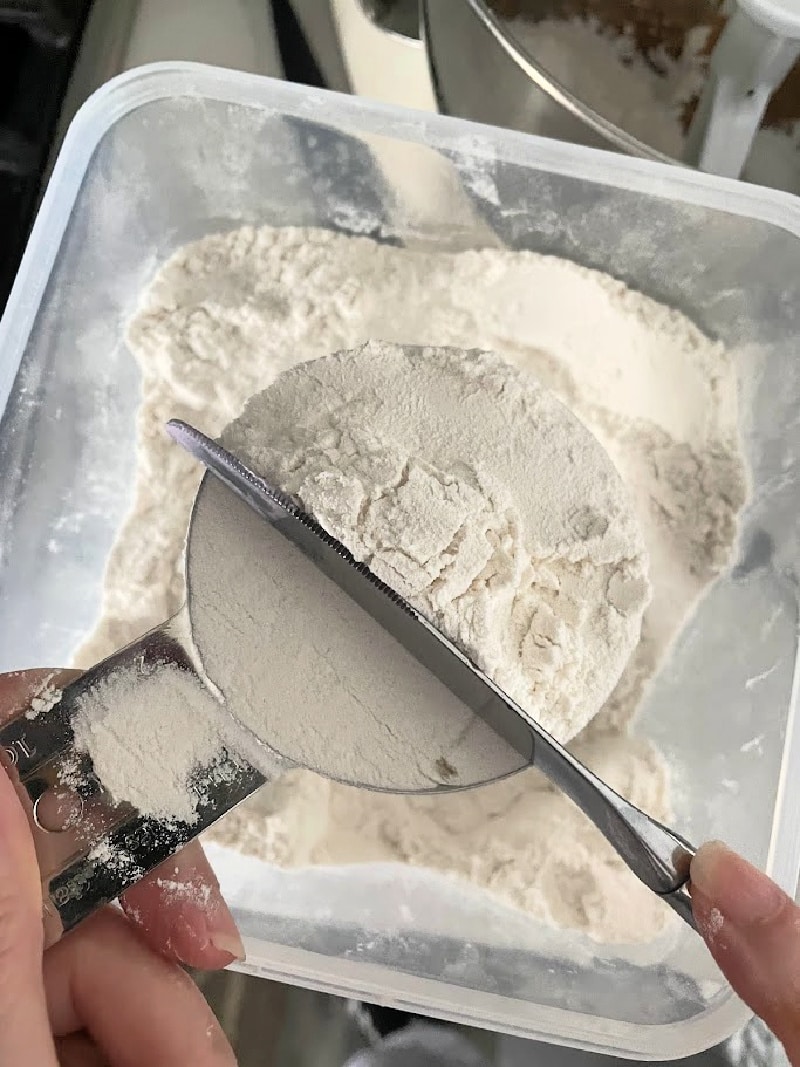
- Level it off. Use a straight edge (like the back of a knife) to sweep off the excess.
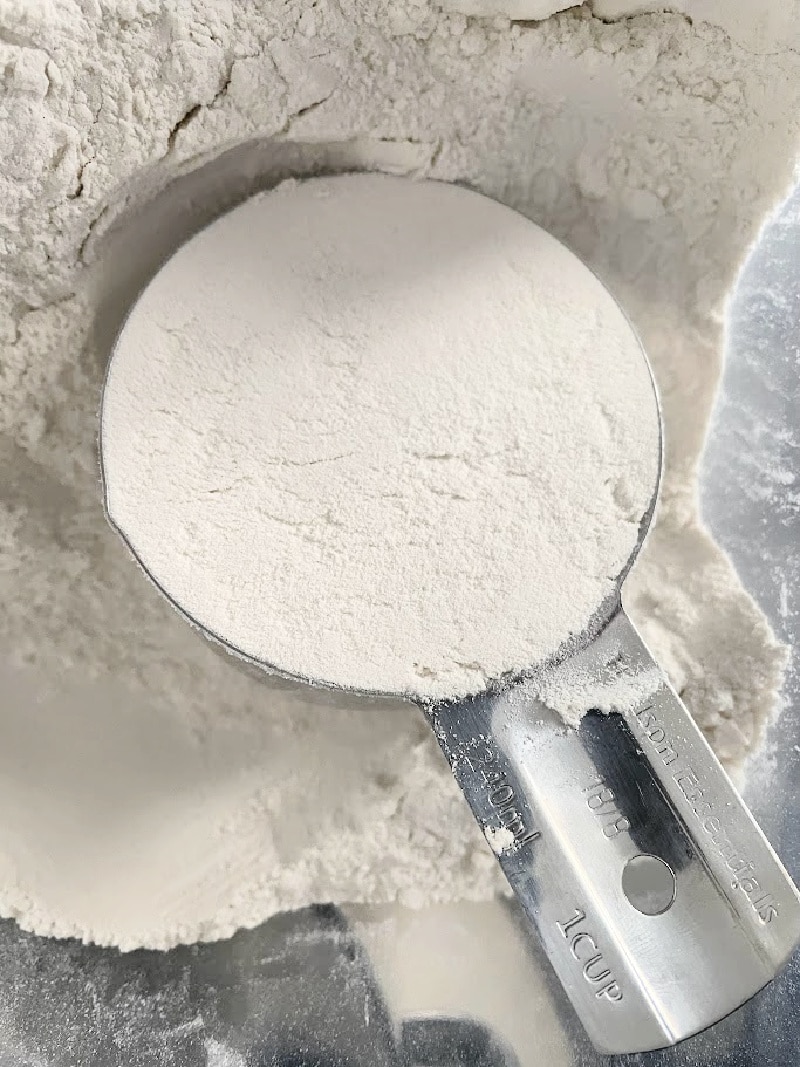
- Do NOT pack it down. Packed flour = too much flour = dry, dense baked goods.
Pro Tip: Scooping flour directly with the measuring cup can add up to 30% more flour than you need.
Measuring Spoons: Teaspoon, Tablespoon, and Fractions
When a recipe calls for a teaspoon of vanilla or a half‑tablespoon of cocoa, accuracy matters just as much as it does with cups. Measuring spoons are designed for small quantities of both dry and liquid ingredients.
Standard spoon sizes include:
- 1 tablespoon (Tbsp)
- 1 teaspoon (tsp)
- ½ teaspoon
- ¼ teaspoon
- ⅛ teaspoon
How to measure dry ingredients: Scoop the ingredient, then level it off with a straight edge. Don’t pack it down unless the recipe says so (like brown sugar).
How to measure liquids: Fill the spoon until it’s level with the rim — no need to overfill or tilt. For sticky ingredients like honey or molasses, lightly coat the spoon with oil first for easy release.
Pro Tip: 3 teaspoons = 1 tablespoon. Keep a full set of spoons nested together so you never guess or “eyeball” small amounts.
Quick Conversion Cheat Sheet
Keep these basic baking conversions handy so you don’t have to guess or do math mid‑recipe.
- 3 teaspoons = 1 tablespoon
- 4 tablespoons = 1/4 cup
- 8 tablespoons = 1/2 cup
- 16 tablespoons = 1 cup
- 1 cup = 8 fl oz (liquids)
Measuring flour by weight is the most reliable way to get consistent results. Dry measuring cups are great, but even when you level them off perfectly, the amount of flour can vary depending on how tightly it’s packed.
When you know what a cup of flour should weigh, you can measure it accurately every single time — even if the recipe is written in cups.
- 1 cup all‑purpose flour = 4.2 oz (120 g)
- 1 cup sifted all‑purpose flour = 4 oz (113 g)
Why it matters: Sifted flour weighs less because it’s aerated. Always check whether your recipe says “1 cup flour, sifted” or “1 cup sifted flour” — they are not the same.
How to Use a Food Scale to Measure Flour
Using a kitchen scale is simple and eliminates guesswork.
- Place your bowl on the scale.
- Press tare/zero so the scale ignores the bowl’s weight.
- Spoon flour into the bowl until you reach the exact grams or ounces needed.
That’s it — no leveling, no compacting, no surprises.
Flour Weight Conversions
These are the standard weights for 1 cup of common flours:
- All‑Purpose Flour: 4 ¼ oz (120 g)
- Bread Flour: 4 ¼ oz (120 g)
- Whole Wheat Flour: 4 ¼ oz (120 g)
- Cake Flour: 4 oz (113 g)
- Pastry Flour: 4 oz (113 g)
Why the difference? Cake and pastry flours have lower protein, so the same volume weighs less than higher‑protein flours.
Different Flours Serve Different Purposes
Flour may look simple, but each type behaves differently in baking. Whole wheat brings hearty flavor, bread flour builds structure, cake flour creates softness, and pastry flour gives you that delicate, tender crumb.
Understanding the differences helps you choose the right flour for the right dessert — and gives you more control over texture, lift, and flavor.
Volume vs. Weight (The Simple Way to Think About It)
A cup measures volume. A pound measures weight.
It’s like comparing a pound of feathers to a pound of gold — they weigh the same, but take up very different amounts of space. Flour works the same way. If you want a deeper dive, The Kitchn has a great breakdown on measuring flour correctly.
In Conclusion
Properly measuring flour might feel like a tiny step, but it has a huge impact on how your baked goods turn out. A little precision goes a long way — it’s the secret behind soft cookies, tender cakes, and consistent results every single time. With these simple dry‑ingredient tips in your back pocket, you’ll bake with more confidence and fewer surprises.
Measure with intention, bake with joy.
Happy baking!
Keep Learning with Baking 101
If you’re building your baking confidence, don’t stop here. My Baking 101 Tips & Guides walk you through all the little skills that make a big difference — from softening butter fast to measuring ingredients the right way to whipping cream like a pro. These simple basics are the secret to consistent, bakery‑beautiful results.
Let’s keep making baking feel fun, easy, and delicious.
Explore more Baking 101 guides and level up your kitchen skills one cozy tip at a time.
More Tips
- How to Make a Heart-Shaped Valentine’s Day Cake
- How Chocolate Wrappers Evolved Over the Years: A Quick Look
- The Perfect Cheesecake Experience
- How To – Baking Perfect Cookie Tips
- Top Baking Tips for Quick Breads
- Easy Pie Crust Tips
- Conversion Charts & Kitchen Tips
- 16 hacks to make your boxed cake taste better @ MSN (My #9 hack is featured!)
- 5 Expert Tips How to Tell Your Cake Is Done
- Essential Tips for Perfect Muffin Baking!
- Quickest Ways to Soften Butter
- Freezing & Thawing Bananas
