Cocoa Powder 101 — Types, Differences & How to Bloom Cocoa for Better Flavor
Cocoa powder is one of the most powerful ingredients in baking — small in scoop, huge in flavor. But not all cocoa powders behave the same. Understanding cocoa powder types (natural vs Dutch‑processed) and how they affect baking gives you more control, richer flavor, and better results in every chocolate recipe. And when you want deeper, more luxurious chocolate intensity, the simple technique of blooming cocoa powder unlocks a whole new level of richness.
If you want a deeper look at how natural and Dutch‑processed cocoa differ, this guide from Serious Eats breaks it down with clear, helpful baking‑science insight.
This natural vs dutch cocoa powder guide brings the baking science and the cozy‑luxe sass, helping you pick the right cocoa, trust your whisking instincts, and turn every chocolate dessert into a little “oh‑wow‑you‑made‑that?” moment. Whether you’re just dipping your toes into baking or you’ve already claimed the title of Kitchen Ruler Supreme, you’ll learn how cocoa behaves, how it reacts in your recipes, and how to squeeze out the biggest, boldest chocolate payoff every single time.
What Is Cocoa Powder?
Cocoa powder is what’s left after most of the cocoa butter is pressed out of chocolate liquor — leaving behind a fine, flavorful powder that delivers concentrated chocolate taste. It’s the backbone of brownies, cakes, cookies, and hot chocolate, and the type you choose affects everything from color to acidity to how your batter rises. Because cocoa powder carries both flavor and structure, understanding the basics helps you bake with more confidence and get richer, more consistent chocolate results.
Natural Cocoa Powder (One of the Main Cocoa Powder Types)
How It’s Made
Among all the cocoa powder types, natural cocoa is the brightest, most acidic, and the one that gives you that classic old‑school chocolate flavor. Natural cocoa powder comes from roasted cocoa beans that are ground, pressed to remove most of the cocoa butter, and then finely milled. There’s no alkalizing step, which means the cocoa stays in its pure, naturally acidic state.
Flavor Profile
Bright, bold, and slightly fruity — a punchy chocolate flavor with a little sparkle that wakes up cakes, cookies, and brownies.
Color
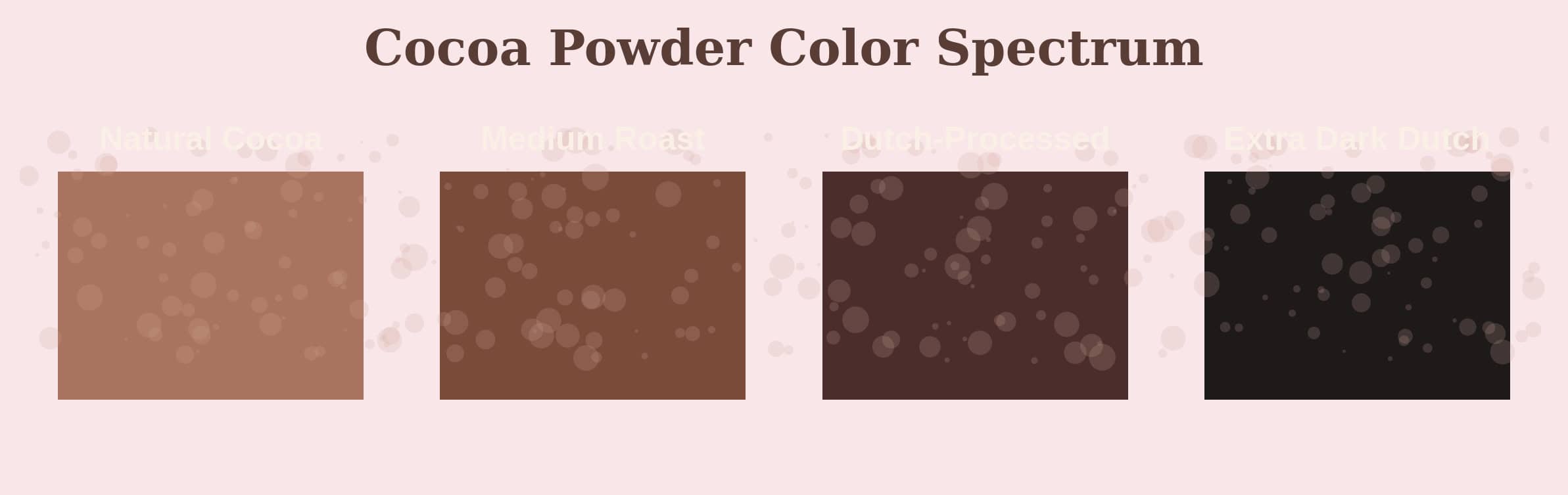
Warm, medium brown. Think soft brownie batter or a cozy mug of hot cocoa.
Acidity Level
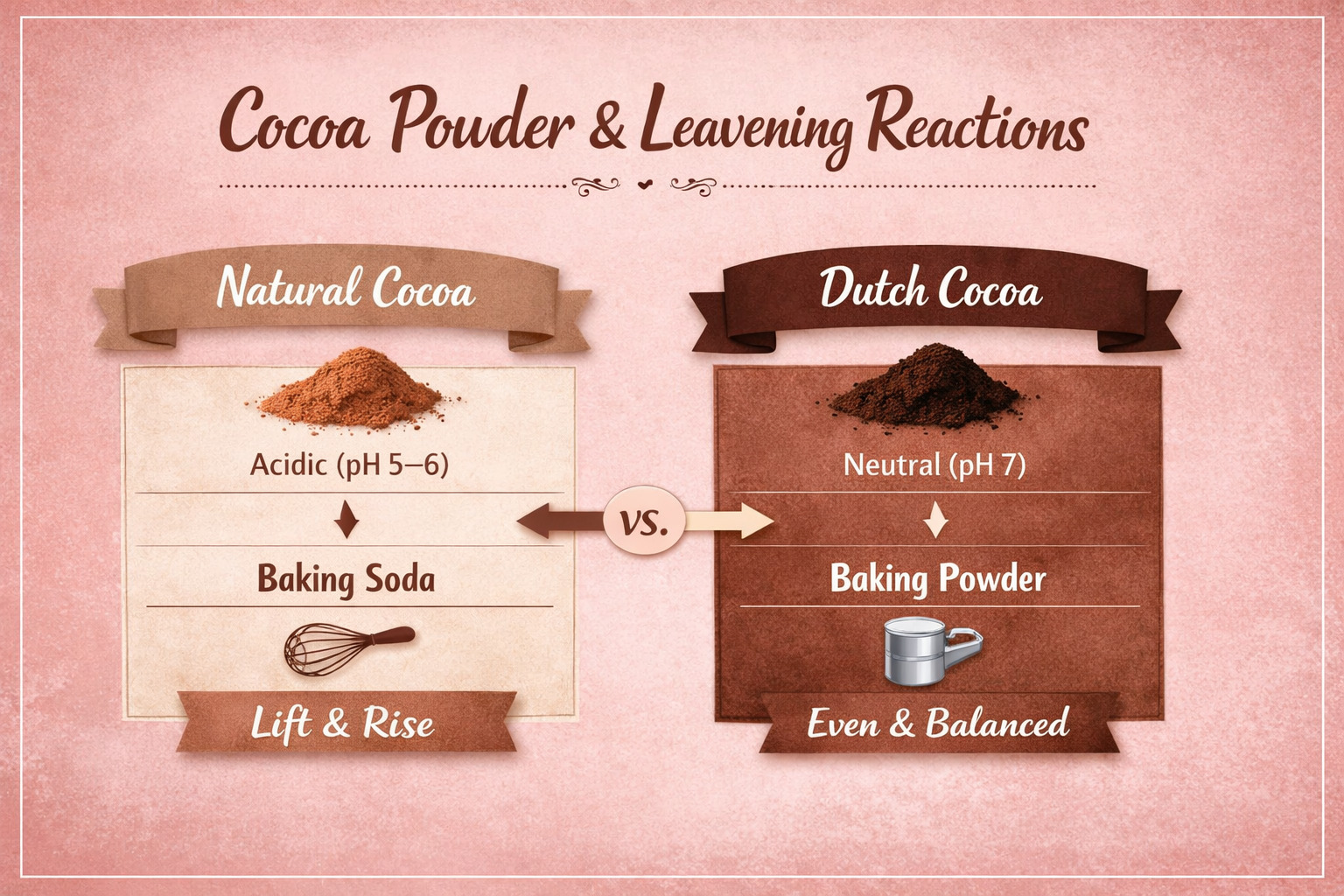
Naturally acidic (pH around 5–6), which means it reacts beautifully with baking soda.
Best Uses
- Chocolate cakes
- Cookies
- Brownies
- Quick breads
- Any recipe using baking soda
Dutch‑Processed Cocoa Powder (A Key Cocoa Powder Type)
How It’s Made
Dutch cocoa is treated with an alkalizing agent to neutralize acidity, giving it a smoother, deeper flavor. Of the two main cocoa powder types, Dutch‑processed cocoa is the smoother, darker, low‑acid option bakers reach for when they want depth.
Flavor Profile
Mellow, rich, and luxurious — less sharp, more “dark chocolate” energy, with a velvety depth that makes brownies taste fudgier and cakes feel extra plush.
Color
Deep brown to almost black. Think Oreo‑level darkness.
pH Level
Neutral (pH 7), so it doesn’t react with baking soda the same way natural cocoa does.
Best Uses
- European‑style cakes
- Dark, rich brownies
- Hot chocolate
- Frostings
- Recipes using baking powder
Natural vs Dutch Cocoa — Side‑by‑Side Comparison
Flavor Differences
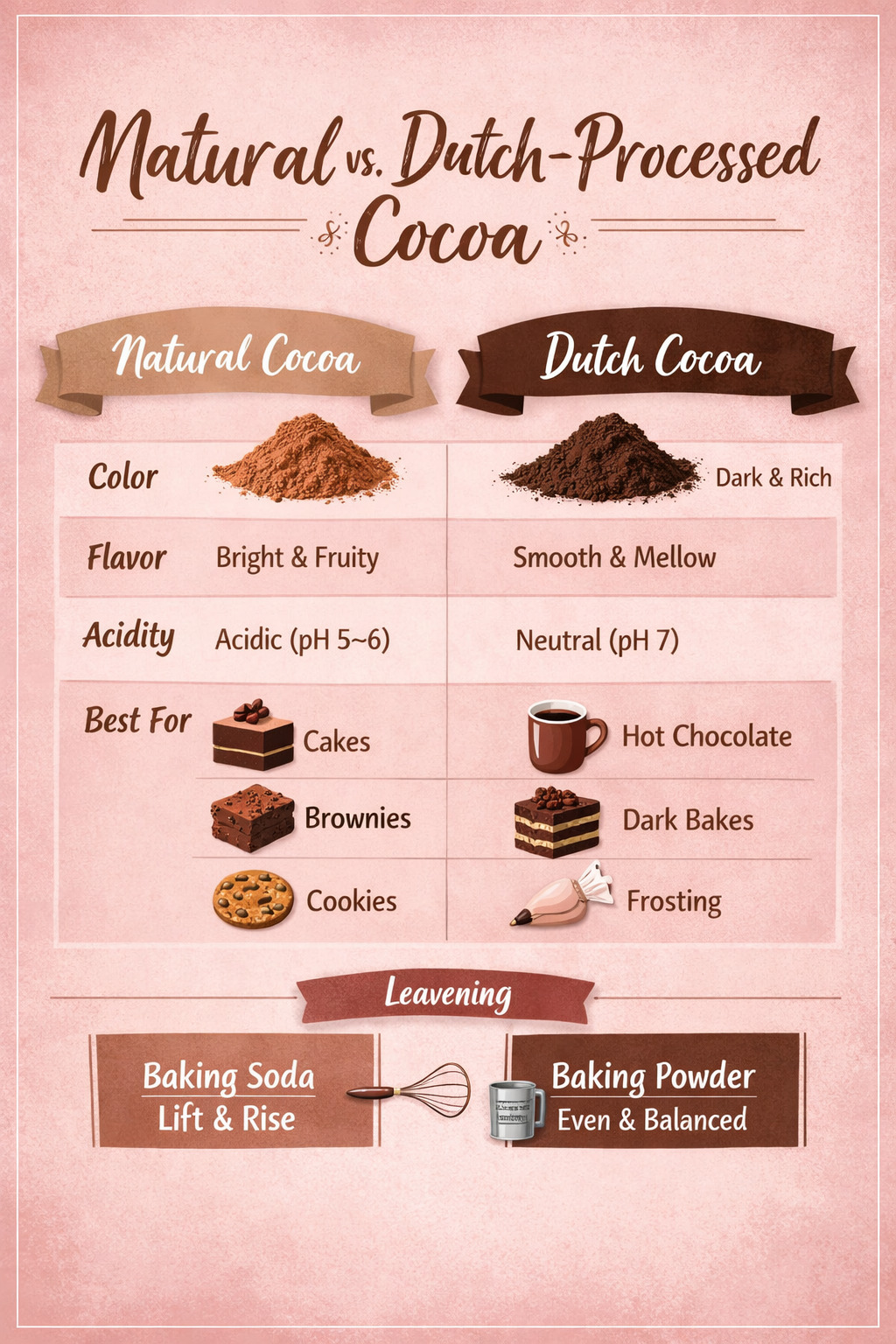
Natural cocoa hits you with bright, high‑note chocolate flavor, while Dutch cocoa delivers a low‑and‑slow richness that feels silky, dark, and indulgent.
Color Differences
Natural = lighter brown Dutch = darker, richer, sometimes nearly black
Acidity & pH
Natural is acidic; Dutch is neutral. This affects how they react with leaveners.
Leavening Reactions
- Natural cocoa + baking soda = lift + tenderness
- Dutch cocoa + baking powder = balanced rise
When to Use Each Cocoa Powder Type
Use natural when you want brightness and lift. Use Dutch when you want richness and depth.
Can You Substitute One for the Other?
When You Can Swap
If the recipe uses only baking powder, you can usually swap natural and Dutch without major issues.
When You Shouldn’t Swap
If the recipe relies on baking soda for lift, swapping can cause dense or flat results.
How to Adjust Leavening (If You Must)
- Using Dutch instead of natural? Add a little acid (like buttermilk or vinegar).
- Using natural instead of Dutch? Reduce acid or increase baking powder slightly.
How to Bloom Different Cocoa Powder Types — Unlock Deeper Chocolate Flavor
What Is Blooming Cocoa Powder?
Blooming is the technique of mixing cocoa powder with a warm liquid to dissolve the cocoa solids and release deeper flavor. Blooming works with all cocoa powder types, but the flavor boost is especially dramatic with Dutch‑processed cocoa.
Why Blooming Works
Warmth unlocks cocoa’s natural fats and aromatics, giving you richer, smoother chocolate flavor.
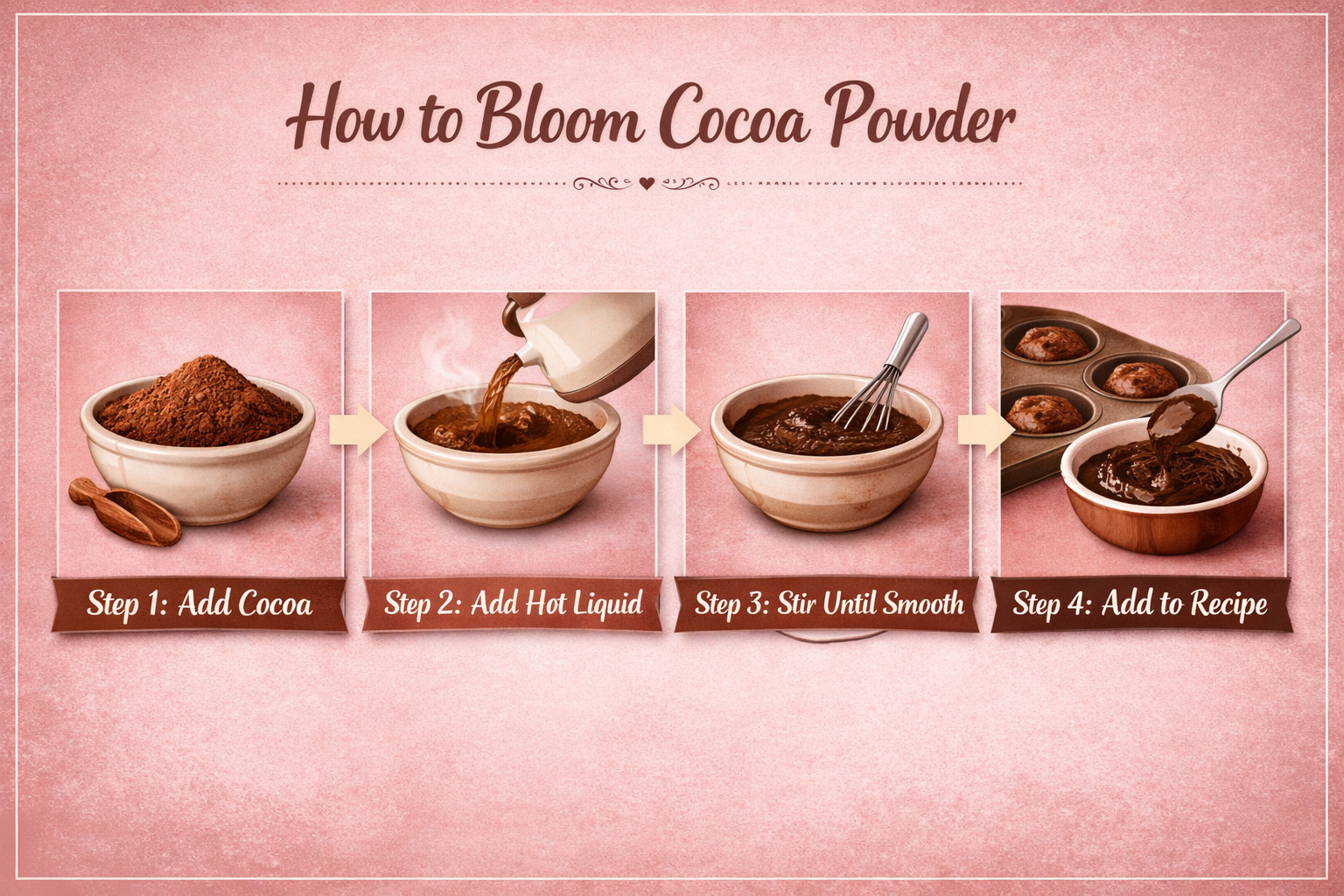
How to Bloom Cocoa Powder (Step‑by‑Step)
- Add cocoa powder to a bowl
- Pour in hot water, coffee, melted butter, or warm milk
- Stir until glossy and smooth
- Add to your recipe
Use just enough hot liquid to turn the cocoa into a glossy, brownie‑batter‑like paste — usually 1–2 tablespoons of liquid per tablespoon of cocoa powder.
When to Bloom Cocoa Powder
- Brownies
- Chocolate cakes
- Cookies
- Hot chocolate
- Frosting
When NOT to Bloom
Avoid blooming when the recipe relies on dry cocoa for structure (like some sponge cakes).
Which Cocoa Powder Is Best For…
Brownies
Dutch for richness; natural for brightness.
Cakes
Depends on leavening — match the recipe.
Cookies
Either works; Dutch gives deeper color.
Hot Chocolate
Dutch for luxury; natural for classic flavor.
Frosting
Dutch = darker, smoother, more indulgent.
No‑Bake Desserts
Dutch blends more smoothly.
Quick Cocoa Powder Tips for Better Baking
- Store cocoa in a cool, dark place
- Sift before using
- Pair cocoa with coffee for deeper flavor
- Bloom cocoa for richer chocolate payoff
- Match cocoa type to the recipe’s leavening
Cocoa Powder FAQ
Does cocoa powder expire?
Yes — but slowly. Most cocoa powders last 2–3 years if stored properly.
Why is my cocoa powder clumpy?
Humidity causes clumping. Sift before using.
Can I use hot chocolate mix instead of cocoa powder?
Not recommended — it contains sugar, milk powder, and fillers.
Why does Dutch cocoa look darker?
The alkalizing process deepens color and smooths flavor.
Can I bloom Dutch cocoa?
Yes — blooming works beautifully with both types.
Final Thoughts
Cocoa powder may be small in scoop, but it’s mighty in flavor. Understanding the difference between natural and Dutch‑processed cocoa — and knowing when to bloom it — gives you more control, more confidence, and more chocolate payoff in every bake.
From brownies to hot chocolate, picking the right cocoa powder types is the secret move that takes your desserts from “yum” to “oh‑my‑gosh‑what‑did‑you‑do?”
More Chocolate 101 Tutorials
- How to Temper Chocolate
- How to Melt Chocolate
- Fixing Seized Chocolate
- Choosing the Right Chocolate for Baking – Chocolate 101
- Why Chocolate Turns White (Chocolate Bloom Explained)